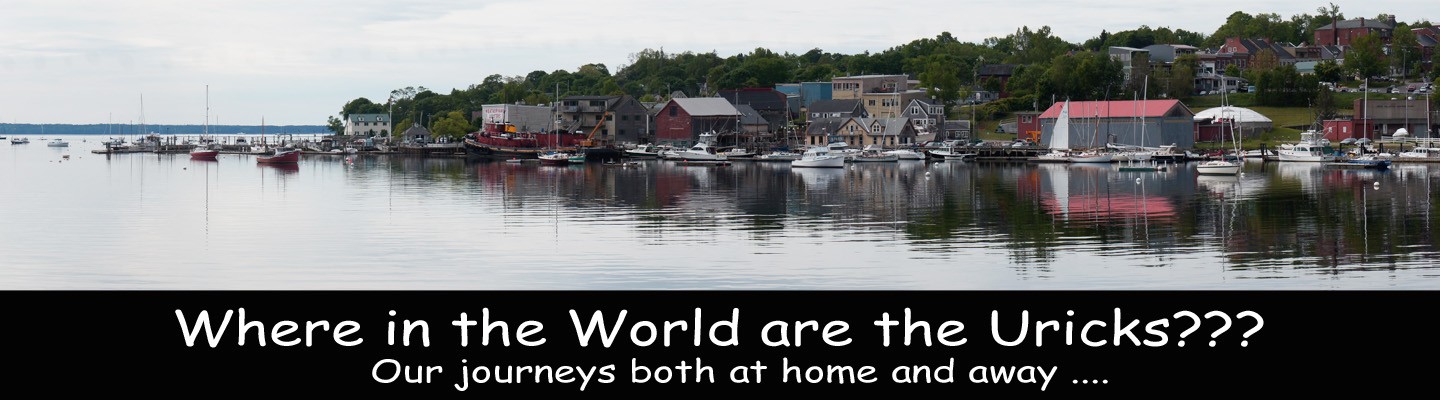


Our Grand Manan adventure started with a beautiful 1 1/2 hour ferry ride from Blacks Harbour, NB (3 hour drive from home).


The Wolastoqiyik, Passamaquoddy, and Penobscot First Nations called the island Manun Cook (meaning “the island”), using it as a safe winter retreat for the elderly and as a sacred burial ground.
Samuel de Champlain mapped the Bay of Fundy and recorded a visit to the island in 1604, though the island was charted by Portuguese explorers in the 1520s. For much of the 17th and 18th centuries, the island was contested between French Acadians, the British, and Indigenous allies.
In 1713, control of the island passed from France to Britain and in 1784 Britain granted land on Grand Manan to Loyalists, marking the beginning of a permanent European settlement. Early settlers were primarily fishers, farmers, and lumbermen, with close ties to coastal Maine.
Grand Manaan developed a reputation for fishing and shipbuilding. By 1884, the island was the world’s largest producer of smoked herring. In the late Victorian era and into the 1920s, wealthy Americans began visiting, establishing Grand Manan as a tourist destination.


Grand Manan dulse is considered world-class quality, and Dark Harbour dulse grows the best island dulse.


Beautiful island and interesting write up. Wish we had known about it when we lived closer!